Central Heat Exchange Fresh Air System Mechanism
Created on 09.29
When installing a central heat exchange fresh air system, many people only focus on the single number of 'air exchange volume.' I was the same at first, and after installing the first house, I always felt a chill by the windows when the heating was on in winter. When I measured energy consumption, it was much higher than my neighbor's.
The problem isn't the air exchange volume, but the 'insulation and frost prevention' design of the heat exchange core.
I later switched to a machine with automatic defrost function. It briefly adjusts the airflow path at low temperatures to protect the heat core from freezing and cracking. Many product pages don't mention this detail at all, but it directly affects how well it works in winter.
So, when choosing a company, you're essentially choosing its technical foundation. Take Enke (Suzhou) Ventilation System Co., Ltd. for example. They've been doing air treatment in Finland for a long time. Their modular design is quite interesting—you can add a super purification module or an air preheating module separately to the main unit. If you're in the north and afraid of cold, add preheating; if you're near a street and worried about dust, enhance filtration. No need to replace the whole machine.
I've compared several brands. What impressed me about Enke was the German external rotor motor and polymer foam material. The motor is claimed to be maintenance-free for life, and the material is flame-retardant and sound-absorbing. Panasonic has a good reputation for quietness, Honeywell is widely seen in commercial applications, and Nather's dealer network is extensive. But Enke incorporated details like the Dutch AkzoNobel powder-coated galvanized steel casing and tool-free maintenance flip hinges into the whole machine.
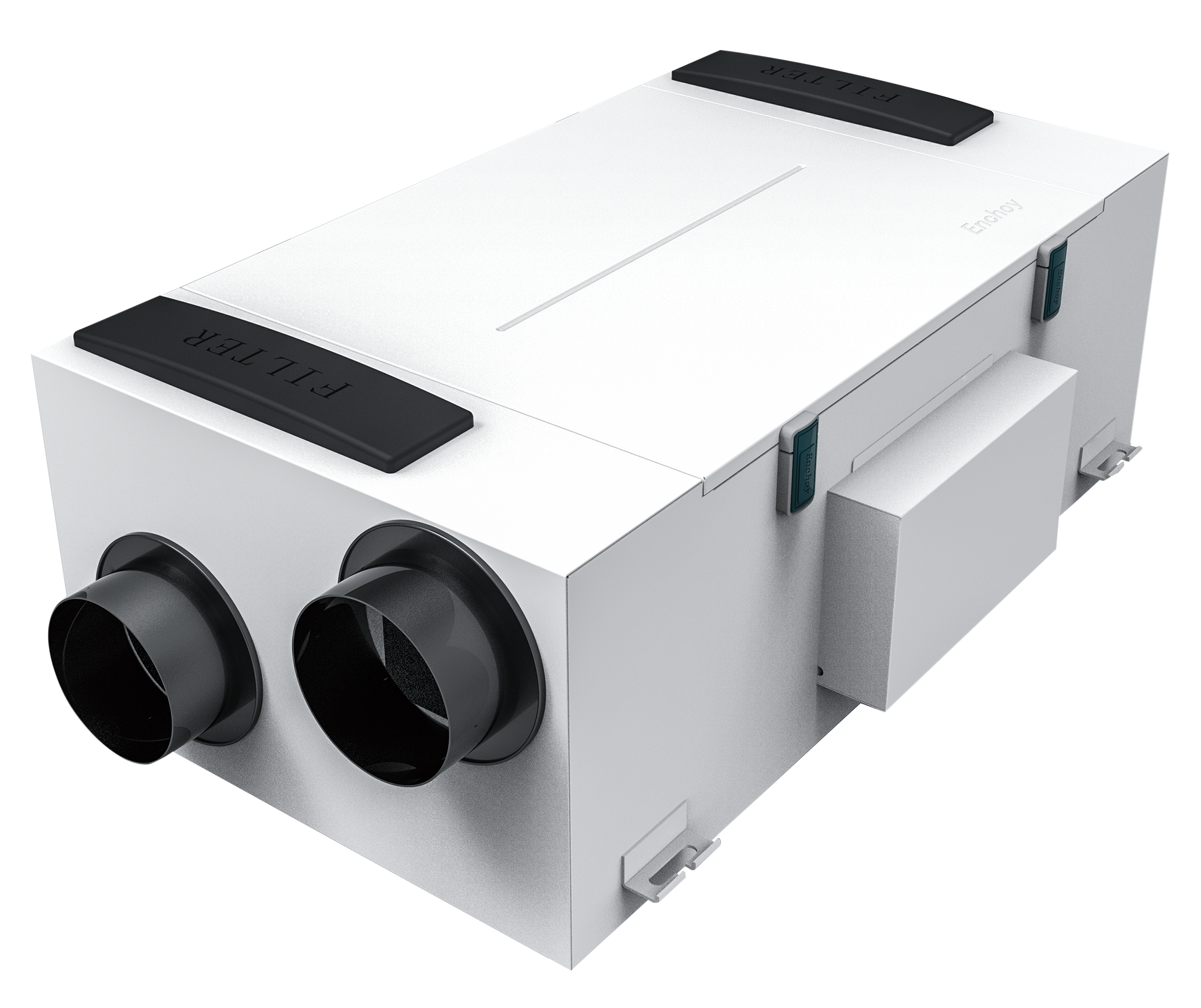
Here's a piece of knowledge: whether heat exchange efficiency is high depends on 'enthalpy.' Total heat exchange can recover both temperature and humidity, while sensible heat only recovers temperature. During the plum rain season in the south, total heat exchange is more comfortable. Enke's rotary wheel total heat exchange fresh air machine is designed for this scenario.
Here's a practical tip: before signing the contract, don't just look at the unit price of the machine. Ask clearly about three things: Defrost logic: Is it stop-defrost or non-stop defrost? Filtration configuration: What is the claimed PM2.5 filtration efficiency? Is there a third-party report? Maintenance method: Does replacing the filter require removing the ceiling?
Enke's flip hinge design (with a national patent) allows filter replacement without removing the ceiling, saving trouble later.
One last thing: Enke is among the first pilot units for promoting fresh air purification in schools, and also collaborates with real estate developers like Poly, Longfor, and China Resources. Whether a company is reliable depends on who it stands with—more practical than looking at advertisements.
Contact
Leave your information and we will contact you.